Discovering the Production Refine Behind Rubber Keypads and Their Importance in Modern Devices
Rubber keypads are essential in the performance of modern devices. Their manufacturing procedure includes mindful selection of materials and accurate methods. Keypads are developed to enhance individual communication while ensuring toughness and dependability. Comprehending just how these components are made exposes their significance across numerous applications. What factors add to their performance, and just how do these components affect individual experience? The solutions might reshape assumptions of this day-to-day modern technology.
Overview of Rubber Keypads and Their Applications
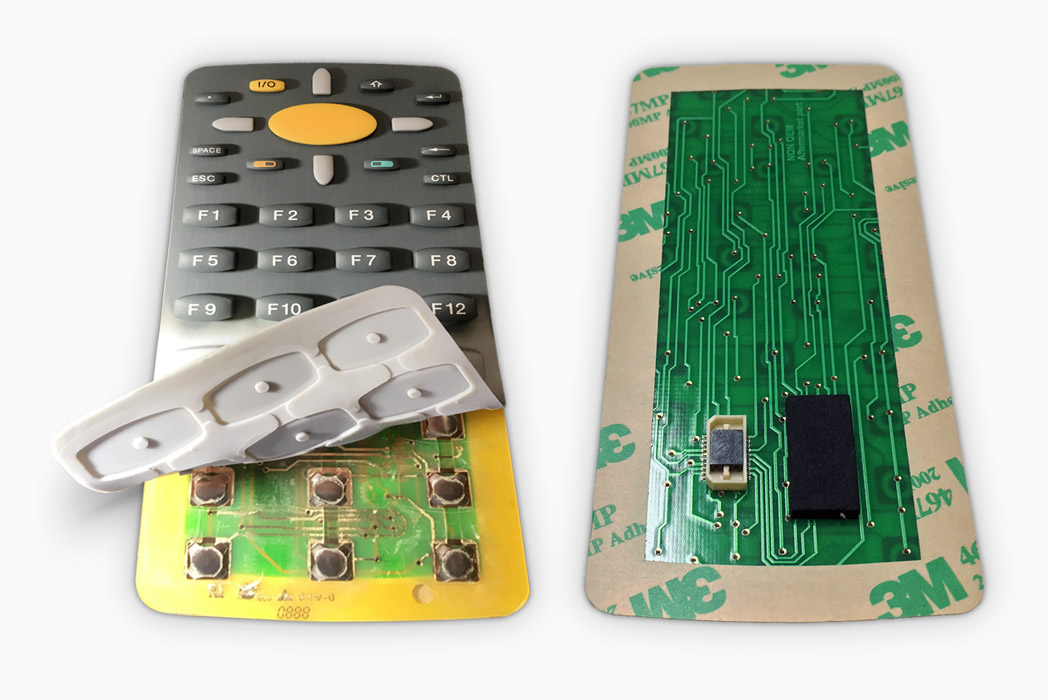
Rubber keypads are flexible elements widely used in numerous digital tools, ranging from consumer electronics to industrial devices. Their style enables for a responsive response, making them a suitable selection for applications calling for individual interaction. Typically discovered in items such as remote controls, calculators, and medical devices, rubber keypads facilitate ease of usage and availability.
In industrial setups, they serve important functions in equipment and control board, where toughness and resistance to ecological aspects are vital. The non-slip surface area improves grasp, promoting reliability in requiring conditions. Furthermore, their light-weight nature and personalized forms enable manufacturers to produce customized remedies that fit particular demands. With developments in modern technology, rubber keypads remain to progress, including functions like backlighting and boosted sensitivity. Overall, their versatility and functional benefits add greatly to the efficiency of various tools throughout multiple markets.
Products Used in Rubber Keypad Production
Keypad making depends on a choice of products that boost both performance and resilience. The key product made use of in the manufacturing of rubber keypads is silicone rubber, recognized for its excellent resilience and adaptability. This material allows keypads to stand up to duplicated pressing without shedding form or efficiency. Additionally, thermoplastic elastomers (TPE) are commonly utilized due to their simplicity of molding and ability to supply a soft-touch feeling.
Tinting representatives, such as pigments, are included to assure vibrant, durable shades that boost visual allure. Ingredients like anti-UV representatives and fire resistants may be blended into the rubber to improve weather condition resistance and safety conformity. The option of materials straight influences the keypad's responsive response, long life, and general performance in numerous gadgets. Ultimately, the careful option of these elements is important for the production of premium rubber keypads that fulfill consumer and industry needs.
The Design Refine of Rubber Keypads
When producing rubber keypads, the style process plays a crucial function in figuring out capability and customer experience. Designers start by specifying the keypad's meant usage, taking into consideration aspects such as the tool it will accompany and the target customer market. This first phase includes sketching formats that prioritize ergonomic facets, making certain the tricks are conveniently available and appropriately spaced.
Next, developers concentrate on the responsive feedback wanted from the keypads, which influences the option of products and vital shapes. Prototyping is essential in this stage, permitting designers to evaluate various designs for comfort and responsiveness.

Production Techniques for Rubber Keypads
The production procedure for rubber keypads includes a series of exact strategies that ensure high quality and functionality. Liquid silicone rubber (LSR) is often made use of due to its longevity and versatility. The procedure starts with mixing the raw materials, consisting of silicone, colorants, and treating representatives. This mix is after that infused into mold and mildews made to form the keypads properly.
Adhering to shot, the molded keypads go through treating, a heating procedure that solidifies the product (Rubber Keypads). This is generally performed in a press, making sure the keypads accomplish the preferred hardness and strength
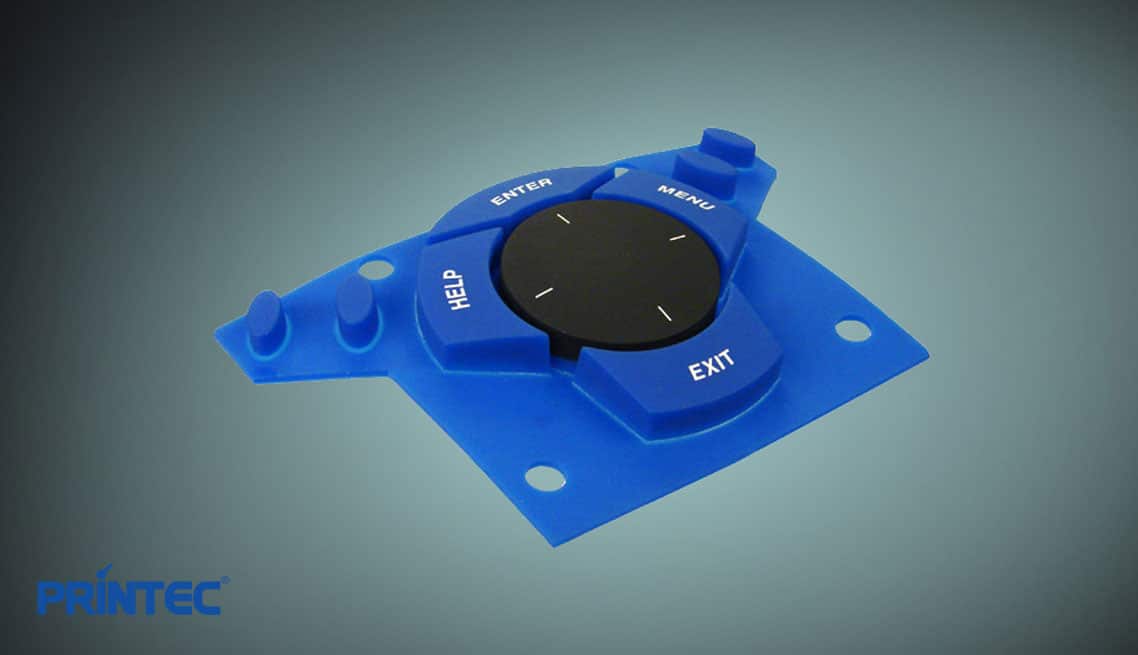
Quality Assurance Steps in Production
To ensure that rubber keypads fulfill high standards of top quality and functionality, extensive high quality control steps are applied throughout the manufacturing you could try these out process. These measures start with basic material examination, ensuring that only the highest-grade elastomers are used. Throughout the manufacturing stage, drivers perform regular checks to keep an eye on parameters such as temperature, stress, and mixing times, important for achieving regular item quality.
Post-production, each set of keypads undertakes thorough testing, consisting of responsive reaction analyses and durability examinations to examine performance under various problems. Visual examinations are likewise carried out to recognize any type of defects, such as bubbles or variances in texture. In addition, conformity with market criteria is verified, making certain that the keypads fulfill security and capability standards.
The Function of Technology in Keypad Growth
Innovation plays a crucial role in the growth of rubber keypads by making it possible for sophisticated manufacturing methods that boost accuracy and effectiveness. Additionally, cutting-edge material option permits enhanced durability and responsiveness in keypad efficiency. These innovations not only enhance production yet also boost the general top quality of the end product.
Advanced Production Techniques
Developments in manufacturing techniques change the production of rubber keypads, enhancing both effectiveness and precision. Technologies such as shot molding and 3D printing have actually changed conventional procedures, making it possible for producers to produce intricate designs with decreased waste and enhanced turnaround times. Automation plays an essential duty in this development, simplifying production line and decreasing human error. In addition, computer-aided layout (CAD) software permits detailed modification, ensuring that keypads fulfill specific customer demands. Quality assurance procedures have additionally progressed, integrating real-time surveillance systems that discover problems early in the manufacturing cycle. These innovations not only boost the sturdiness and functionality of rubber keypads but also sustain the expanding need for tailored solutions in different industries, from consumer electronics to automotive applications.
Innovative Product Selection
The development of producing methods has actually led the way for ingenious product selection in rubber keypad development. Advances in polymer scientific research have actually introduced products that enhance toughness, adaptability, and responsive feedback. Manufacturers now use thermoplastic elastomers (TPE) and silicone substances, which give remarkable resistance to use and ecological variables. These products enable for the production of keypads that can endure prolonged use while preserving aesthetic appeal. In addition, the combination of additives and finishes boosts performance, such as boosting hold and decreasing friction. The selection of products is necessary, as it directly influences the performance and durability of keypads in different devices, from customer electronics to industrial tools. This innovative strategy proceeds to form the future of keypad design and use.
The Influence of Rubber Keypads on User Experience
Rubber keypads considerably affect user experience via their boosted tactile feedback, which enables for more accurate interaction. Furthermore, their durability and durability add to constant performance gradually, decreasing the demand for regular substitutes. This combination of features makes rubber keypads a recommended option in various applications, inevitably impacting customer contentment.
Improved Tactile Feedback
Enhancing tactile action substantially influences individual experience, especially in tools that rely on keypads for communication. Rubber keypads provide a special mix of softness and durability, enabling users to really feel distinctive responses with find each press. This feedback strengthens a feeling of control and precision, important in applications varying from smart devices to industrial equipment. Users commonly report better fulfillment and effectiveness when connecting with devices that feature well-designed rubber keypads, as they help with quicker and more exact input. In addition, the ergonomic layout of these keypads can reduce finger exhaustion, advertising longer use durations without pain. Generally, the boosted tactile response provided by rubber keypads substantially adds to a much more delightful and instinctive customer experience in modern-day innovation.
Sturdiness and Longevity
A vital element of user experience with rubber keypads copyrights on their durability and longevity. These keypads are created to hold up against considerable usage, withstanding wear and tear that usually influences other materials. The durable nature of rubber guarantees that keypads maintain their functionality and look over time, which is essential for devices regularly made use of in different atmospheres. Customers gain from the dependability of rubber keypads, as they can withstand exposure to temperature, moisture, and dirt fluctuations without deteriorating. This resilience not only boosts customer complete satisfaction yet additionally reduces the need for frequent replacements, inevitably contributing to cost-effectiveness for producers. Basically, the longevity of rubber keypads greatly affects the total performance and individual experience in modern gadgets.
Regularly Asked Questions
Just How Long Do Rubber Keypads Generally Last in Devices?
Rubber keypads usually last in between 5 to one decade, depending on use, ecological factors, and high quality of materials used (Rubber Keypads). Normal damage can reduce their life-span, impacting functionality and user experience with time
Can Rubber Keypads Be Customized for Particular Applications?
Rubber keypads can undoubtedly be customized for certain applications, allowing alterations in size, structure, shade, and form. This versatility makes it possible for producers to produce customized solutions that meet diverse customer needs and improve performance in various devices.
Are Rubber Keypads Eco-friendly?
Rubber keypads are typically not taken into consideration eco pleasant due to their petroleum-based products. Improvements in sustainable production methods and the development of bio-based options are gradually boosting their environmental effect in different applications.
What Are Common Issues Encountered During Rubber Keypad Manufacturing?
Usual issues dealt with during rubber keypad manufacturing consist of inconsistent worldly high quality, mold and mildew defects, improper treating times, bond failures, and obstacles in accomplishing exact tactile feedback. These troubles can bring about decreased item performance and consumer dissatisfaction.
Exactly How Do Rubber Keypads Contrast to Various Other Kinds Of Key Switches Over?
Rubber keypads offer a softer feel and quieter procedure contrasted to mechanical buttons, which give responsive comments. Rubber keypads might use out faster and lack the accuracy that some individuals prefer in high-performance applications.
The primary material utilized in the production of rubber keypads is silicone rubber, known for its exceptional resilience and adaptability. When creating rubber keypads, the style procedure plays an essential function in establishing capability and user experience. Rubber keypads significantly influence user experience with their improved tactile response, which allows for even more specific communication. Users commonly report greater contentment and effectiveness when navigate to this website engaging with gadgets that include well-designed rubber keypads, as they promote quicker and more accurate input. A crucial element of customer experience with rubber keypads exists in their durability and long life.